


Written by Joseph Santiago
In 2015, Daniel Carcillo sat alone in his Chicago home, staring at the floor. The retired NHL enforcer had won two Stanley Cups with the Chicago Blackhawks, but his body and mind were in ruins. Years of concussions had left him with memory loss, crippling depression, and suicidal thoughts. Traditional medicine had given him little relief.
Then a teammate told him about psilocybin. Skeptical but desperate, Carcillo tried it. What followed, he says, wasn’t a hallucinogenic trip but a gradual lifting of the fog. “For the first time in years,” he recalled in an interview, “I felt hope.”
Carcillo has since become one of the most vocal advocates for psychedelic medicine in sports, even founding Wesana Health, a company dedicated to studying psilocybin and brain injury recovery. His story is part of a growing chorus among athletes who believe that microdosing — the practice of taking sub-perceptual amounts of psychedelics — may hold the key to unlocking not only mental recovery but also peak performance.
The New Frontier of Performance
For athletes, entering the flow state is often described as the holy grail. Psychologist Mihaly Csikszentmihalyi, who pioneered the concept, called flow “a state in which people are so involved in an activity that nothing else seems to matter.” Time slows down, the body feels effortless, and performance becomes automatic.
Microdosing, typically involving one-tenth of a recreational dose of psilocybin or LSD, does not induce hallucinations. Instead, users describe subtle shifts: sharper focus, elevated mood, and a deeper mind–body connection. For athletes chasing flow, these qualities are compelling.
“Flow is everything,” says Ian McCall, a former UFC fighter who has spoken publicly about psychedelics. “When you’re in that state, every punch, every move feels natural. Microdosing helps me get there more often.”
Athletes Going Public
Carcillo and McCall are not alone.
- Joe Rogan, the UFC commentator and podcast host with a massive global following, has often praised psilocybin for creativity, resilience, and recovery.
- Mike Tyson, former heavyweight champion, has discussed using psychedelics — particularly magic mushrooms and 5-MeO-DMT — to rebuild his mental health and return to the ring.
- Aaron Rodgers, the NFL quarterback, revealed he used ayahuasca to deepen his emotional resilience, sparking mainstream debate about psychedelics in sports.
- Kerry Rhodes, a former NFL safety, has described exploring alternative therapies, including psilocybin, to manage post-career struggles.
While most current athletes remain cautious about discussing psychedelics publicly, the list of high-profile names growing comfortable with the subject suggests a shift in cultural acceptance.
Why Microdosing Works in the Brain
The idea that a small dose of psilocybin can help athletes or creatives perform better may sound far-fetched, but science offers clues:
- Neuroplasticity: Psilocybin has been shown to stimulate the growth of dendritic spines — tiny branches on neurons — making the brain more flexible and adaptive. For athletes recovering from injury, this can mean faster rewiring. For creatives, it means connecting ideas in new ways.
- Serotonin System Boost: Microdosing activates 5-HT2A serotonin receptors, which regulate mood, focus, and perception. Athletes often report less anxiety before competition and more clarity in training.
- Default Mode Network Quieting: By reducing activity in the brain’s “ego center,” psilocybin lowers mental chatter and self-criticism, conditions that support flow states.
This combination — adaptability, focus, and reduced self-doubt — explains why athletes and everyday people alike turn to microdosing.
Microdosing, Creativity, and Flow
Although athletes may not paint or write novels, their work demands creativity. A fighter sees new openings mid-bout. A runner finds rhythm in their stride. A quarterback spots angles others miss.
Microdosing appears to support this process. By loosening rigid thought patterns, it allows new solutions and movements to surface. Musicians, entrepreneurs, and writers report the same: ideas flow more smoothly, blocks dissolve, and work feels more natural.
“It’s not about escaping,” McCall has said. “It’s about being fully present in the moment. That’s where creativity lives.”
The Science of Flow and Recovery
Early research supports these observations. Studies from Johns Hopkins University and Imperial College London show psilocybin reduces activity in the brain’s default mode network, often linked to self-doubt and rumination. For athletes, that can mean fewer distractions and greater focus under pressure.
A 2021 study from the University of Toronto found that microdosers reported better mood, improved focus, and increased creativity compared to non-microdosers — though the authors noted self-reporting biases.
There is also growing interest in psilocybin’s potential anti-inflammatory properties, which could support recovery from workouts and injuries. Though early, these findings align with anecdotal reports from athletes who say they feel less sore and more energized on microdosing days.
The Risks and Unknowns
Yet for all the excitement, microdosing remains an experiment.
“There is promising data,” says Dr. Matthew Johnson, a professor of psychiatry at Johns Hopkins. “But we simply don’t have enough large-scale, controlled studies to say that microdosing enhances performance in athletes.”
There are risks: heightened anxiety, impaired judgment, and the possibility of triggering latent psychiatric conditions. Professional leagues also face ethical questions. Should psychedelics be considered performance enhancers? Are they therapy, or a competitive edge?
Some scientists argue that the placebo effect — belief in the practice — may drive much of the benefit. But for athletes, even a placebo that reduces stress and enhances focus may still hold value.
A Culture Shift in Sports
Still, momentum is building. The UFC has expressed openness to researching psychedelic therapy for fighters. Former NHL and NFL players are lobbying for clinical trials focused on brain injuries.
The trajectory resembles cannabis: once stigmatized, now integrated into sports recovery programs. “Ten years ago, cannabis in sports was unthinkable,” Carcillo said. “Now it’s mainstream. Psychedelics are on the same path.”
Beyond the Pros: Everyday Athletes
The microdosing movement is not confined to elite athletes. Runners, climbers, yogis, and weekend warriors are experimenting with small doses to support endurance, focus, and recovery.
Some marathon runners report that microdosing helps them push through “the wall.” Gym-goers describe better motivation to stick with training programs. Yoga practitioners say it deepens presence on the mat.
Many track results with microdosing journals, noting changes in sleep, creativity, and performance. In countries like the Netherlands, where truffles are legal, the practice has become increasingly mainstream.
“It’s not about seeing colors or tripping,” says Sophie, a 32-year-old runner in Amsterdam. “It’s about waking up, taking a microdose, and feeling just a little more in tune with the run.”
A New Era of Performance?
Whether microdosing will become part of formal sports science remains uncertain. Clinical trials are still in early stages, and leagues face complicated legal and ethical questions.
But the stories are spreading — from NHL locker rooms to UFC gyms to marathon clubs in Amsterdam. Athletes are whispering about psilocybin not as a shortcut to victory, but as a tool for balance, resilience, creativity, and mental strength.
As Carcillo puts it: “I didn’t find psychedelics to win another championship. I found them to win back my life.”
For now, microdosing remains a personal experiment, one that blends ancient practice with modern ambition. But for athletes — and for anyone chasing focus, recovery, or flow — it may represent the next frontier of performance.

⚡ Cordyceps for Athletes
For athletes exploring microdosing to improve focus, flow, and recovery, supporting the body at a cellular level is just as important as training the mind. One of the most respected natural performance allies is Cordyceps, a functional mushroom known for its ability to help the body use oxygen more efficiently and maintain steady energy throughout the day.
Many athletes and breathwork practitioners use Cordyceps to support:
- Stamina and endurance
- Healthy oxygen uptake
- Smooth, consistent energy
- Post-training recovery
It’s not a stimulant. There’s no “peak and crash.” Instead, it feels like the engine just runs cleaner.
At MB Superfoods, we offer a high-quality, pure Cordyceps powder with no fillers and no blends. It mixes easily into smoothies, shakes, oatmeal, or even just warm water.
If you’re interested in pairing microdosing with natural energy and recovery support, you can find it here:
👉 MB Superfoods Cordyceps Powder
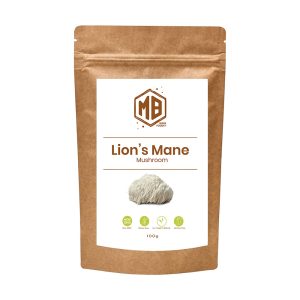
🧠 Lion’s Mane for Mental Strength and Focus
Lion’s Mane is commonly referred to as the “brain mushroom” for a reason. It supports neuronal growth and neuroplasticity, which can help the brain learn, adapt, and stay sharp under stress. For athletes, that translates to:
- Faster skill learning and muscle memory
- Sharper concentration during training and competition
- Better emotional regulation under pressure
- A calmer, more consistent mental state day-to-day
When paired with microdosing, Lion’s Mane can enhance the clarity and presence many athletes are looking for, helping the mind sync with the body instead of working against it.
At MB Superfoods, we offer high-quality Lion’s Mane powder made from 100% pure mushroom. No fillers, no blends. Just clean support for your mental game.
👉 Support your mind as intentionally as you train your body:
MB Superfoods Lion’s Mane
Explore Microdosing with Microdose Bros
🍄 Curious about starting your own microdosing journey? Discover our most popular options:
📖 Keep track of your progress with our free Microdosing Journal.
🛒 Explore more: All Microdosing Products.
👉 Follow us on Instagram and TikTok for daily microdosing tips, athlete stories, and science-backed insights.

