


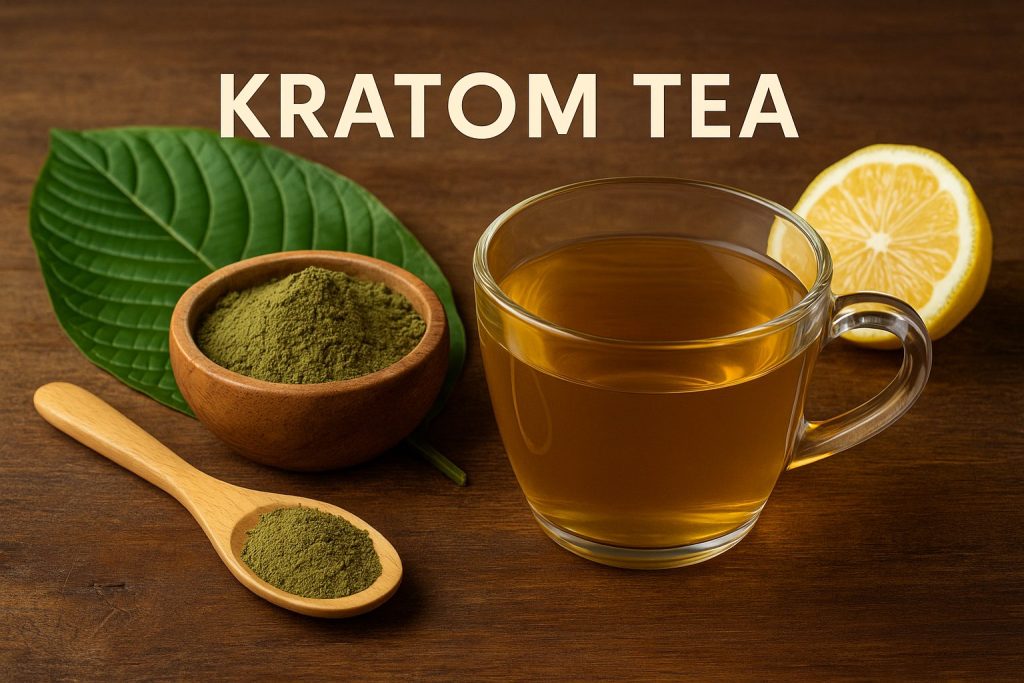
☕ The Art of Brewing Kratom Tea: A Gentle, Powerful Ritual
Looking for a smoother, more enjoyable way to consume kratom? Brewing kratom into tea offers the perfect balance of potency, taste, and tradition. Whether you’re winding down with Red Maeng Da or kickstarting your morning with White, kratom tea turns your dose into a calming ritual. In this guide, you’ll learn everything you need to brew the perfect cup—from beginner-friendly techniques to pro-level flavor hacks that turn bitterness into bliss.
🍃 Discover the Ritual of Kratom Tea
Kratom tea is one of the most enjoyable and traditional ways to experience the power of Mitragyna speciosa. Beyond convenience, brewing tea offers a smoother, longer-lasting effect—and with the right technique, you can actually make it taste good.
🌿 Why Choose Kratom Tea?
Compared to tossing powder or using capsules, tea offers a refined experience:
✅ Smoother onset
✅ Easier on the stomach
✅ Customizable flavor (add lemon, honey, ginger)
✅ More natural and meditative
✅ Longer lasting effects
🔥 Does Heat Destroy Kratom?
No!
You can overboil it, but simmering kratom or steeping it in hot water won’t destroy the alkaloids. Use gentle heat (around 80–90°C) and you’ll preserve potency while making a more enjoyable cup.
🧪 What You’ll Need
- 2–5 grams kratom powder or kratom leaves
- 2 cups water
- Juice of half a lemon or splash of vinegar
- (Optional) honey, mint, ginger, cinnamon, or a tea bag
- Saucepan or kettle
- Fine mesh strainer or coffee filter
- A mug and a calm mindset
☕ How to Brew Kratom Tea (Powder Method)
- Add 2 cups of water to a saucepan. Bring to a light simmer (not boil).
- Stir in 2–5g of kratom powder.
- Add lemon juice for better alkaloid extraction.
- Let simmer on low heat for 15–20 minutes, stirring occasionally.
- Strain the tea using a coffee filter or mesh.
- Pour into a mug and add honey or ginger to taste.
🍋 Bonus Tip: Add mint or green tea for a smoother taste and cleaner finish.
🍃 How to Brew with Whole Kratom Leaves
Prefer the traditional approach? Use dried kratom leaves.
- Bring water to about 80°C (just before boiling).
- Add 4–6 kratom leaves with lemon juice or ginger slices.
- Steep for 20 minutes.
- Strain and enjoy a smoother, full-spectrum cup.
👉 Use our Whole Kratom Leaves for best results.
🌿 Best Kratom Strains for Tea
Each strain brings a different vibe to your brew. Here’s what we recommend:
🔴 Red Maeng Da
Deep calm, body relief, perfect for evenings or before bed.
🟢 Green Maeng Da
Balanced mood lift and smooth energy—ideal midday tea.
⚪ White Maeng Da
Bright, clear focus and energy. Best for mornings or pre-workout.
💙 Blue Lilly + Kratom
Dreamy, introspective tea—great for nighttime journaling or creative work.
💡 Kratom Tea Pro Tips
🍋 Add lemon or apple cider vinegar to extract alkaloids
🫚 Use ginger to fight nausea and improve taste
🧊 Serve chilled over ice for an energizing kratom iced tea
♻️ Double boil your sediment for a second, weaker brew
🍯 Add honey, agave, or mint to mask bitterness
⏰ Drink on an empty stomach for faster onset—but always test your sensitivity first
⚖️ Suggested Dosage for Kratom Tea
| Effect Level | Powder (grams) | Description |
|---|---|---|
| Light boost | 1–2 g | Gentle mood lift, light energy |
| Balanced experience | 2–4 g | Clarity + calm |
| Strong relief/calm | 4–6 g | Deep relaxation, body relief |
🧠 Kratom Tea FAQ
Q: Does kratom tea taste better than powder?
A: Yes—especially when sweetened or mixed with herbs. It’s smoother, less harsh, and can even be refreshing iced.
Q: How long does it take to feel the effects?
A: Usually 20–40 minutes depending on strain, body type, and stomach contents.
Q: Can I store kratom tea?
A: Yes! Keep it in the fridge up to 5 days. Drink cold or reheat gently.
Q: Which is better for tea—powder or leaf?
A: Powder is stronger and quicker; leaves are smoother and more traditional.
🧑🍳 How to Make Kratom Tea That Actually Tastes Good
Kratom’s natural bitterness is a deal-breaker for many beginners—but with a few simple upgrades, your tea can go from “ugh” to deliciously drinkable.
🔥 Pro Flavor Hacks:
🍋 Lemon or Lime Juice – Not only improves taste, but enhances alkaloid extraction.
🍯 Raw Honey or Agave Syrup – Adds natural sweetness and balances the earthy flavor.
🫚 Fresh Ginger Root – Calms the stomach and gives a zesty kick. Slice it into the pot as it simmers.
🌿 Peppermint Leaves or Mint Tea Bags – Refreshing and sharpens the finish.
🍵 Cinnamon Stick or Clove – Great for spice lovers. Simmer with your kratom powder.
🧊 Iced Kratom Tea – Brew, chill, and pour over ice with a squeeze of lemon for a refreshing summer drink.
💡 Bonus tip: Use green tea or herbal blends (like chamomile) as your base for a smoother taste and added benefits.
⚠️ Safety Note
Important: Kratom is not meant for daily use. Do not mix with alcohol, prescription medications, or sedatives. If pregnant, breastfeeding, or on medication, consult a doctor before use.
🛍️ Shop High-Quality Kratom for Tea
Get the best kratom for brewing right here:
👉 Kratom Bros – Lab-Tested Kratom Powder & Leaves
👉 Microdose Bros Full Kratom Collection
All products are third-party tested, finely milled, and ideal for tea lovers.
✅ Final Thoughts
Brewing kratom tea is more than just preparation—it’s a ritual. When done right, it’s smoother, tastier, and more enjoyable than powder alone. Whether you’re easing into your day or winding down at night, a well-brewed cup of kratom tea can elevate your mood, mind, and energy.
Take your time. Sip mindfully. Respect the plant.


